Research
Eco-Community Photographers
The following photographers have produced images which look at various communities and elements of the environment in different ways and have contributed
to my understanding of the use of photographs in promoting and representing sustainable living.
Lizane Louw
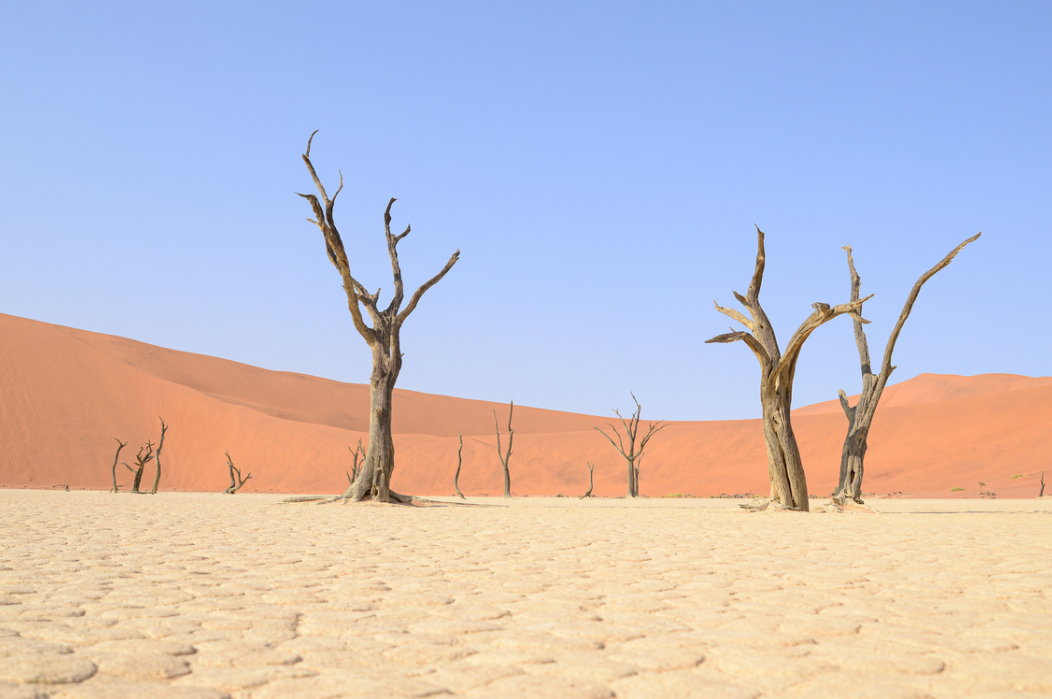
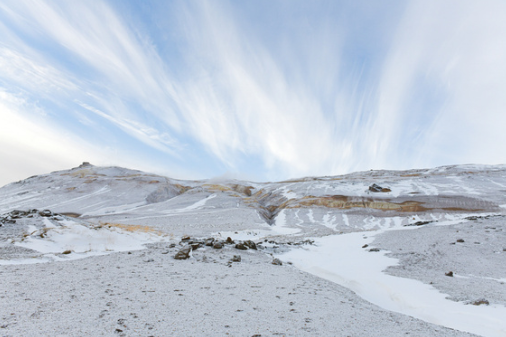
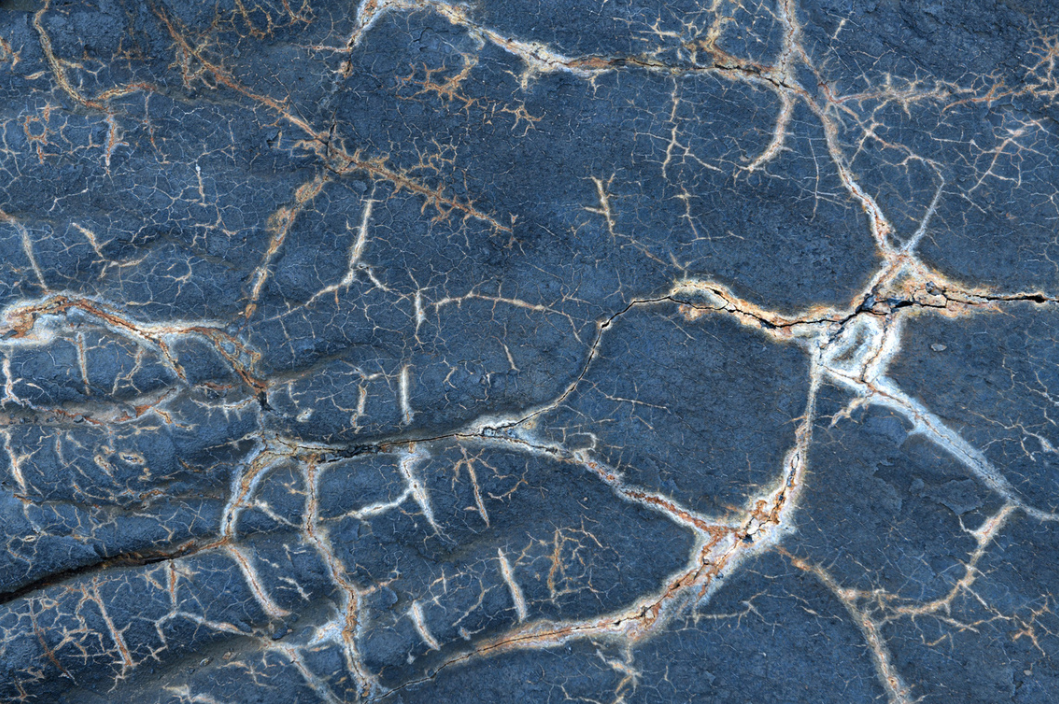
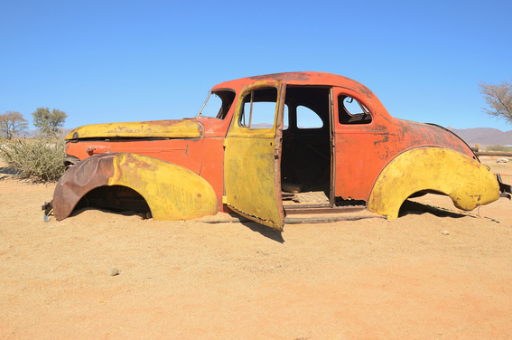
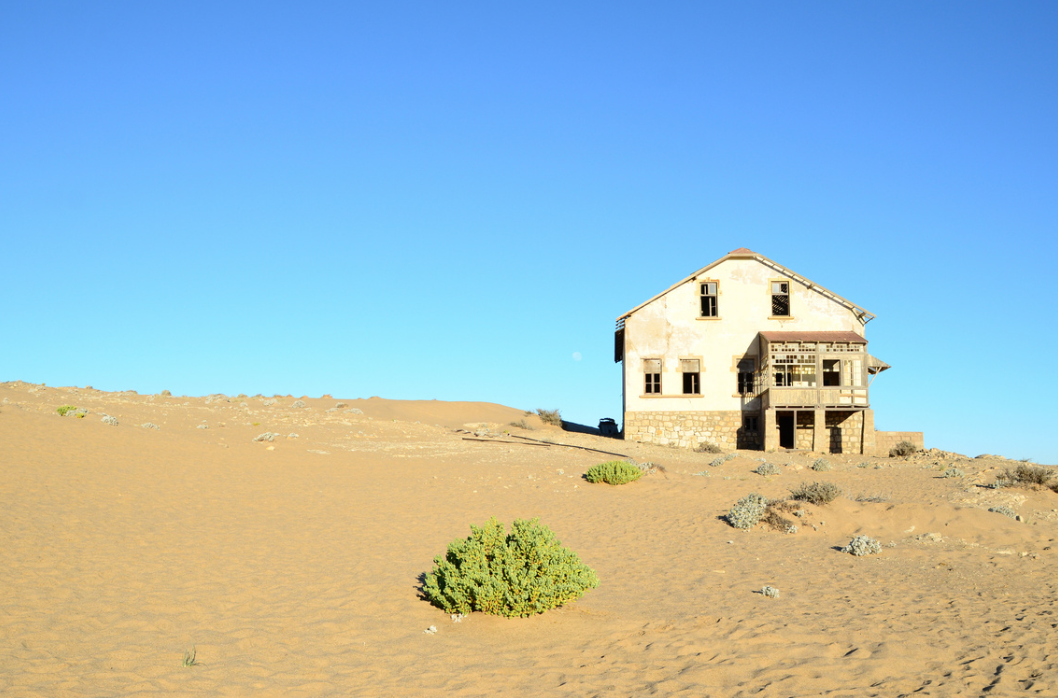
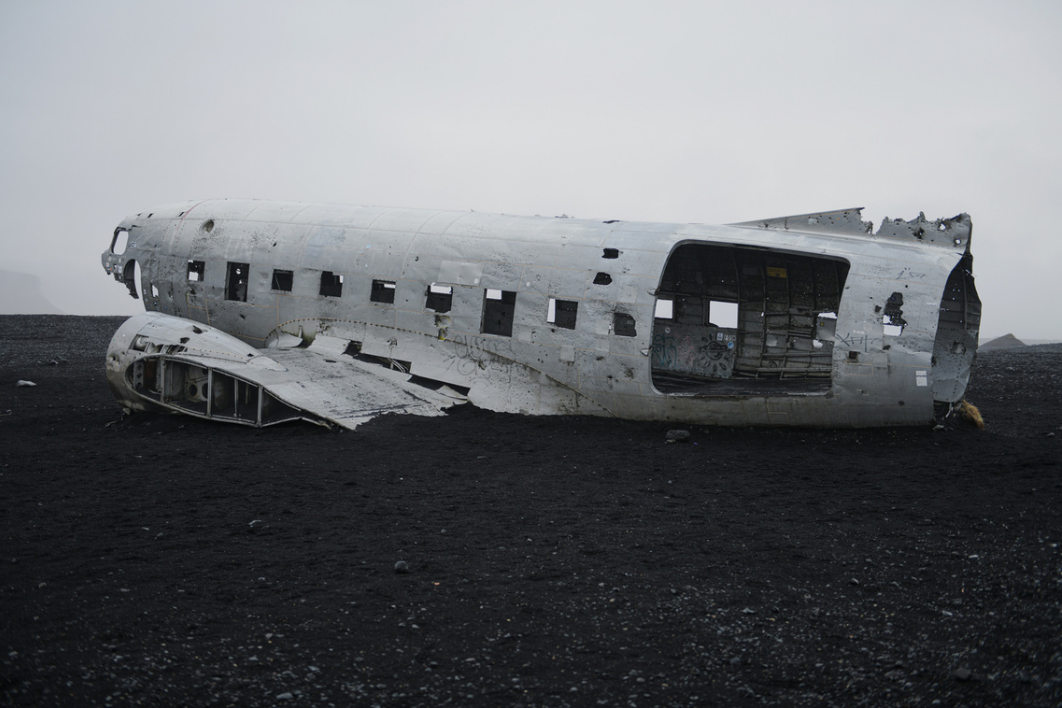
Louw’s body of work, namely “Elements of Nature” investigates the changes in natural environments and our human relationship with nature. Although not completed it focuses on the ever-changing landscapes, cityscapes and the effects of climate breakdown (Louw, n.d.)
Louw’s photography seems to be very simplistic but very powerful, less is more. Her inspiration comes from that of Chinese Philosophy from the Great Plan of the Shu- King.
“The nature of Water is to moisten and descend; of Fire to flame and ascend; of Wood to be crooked and straighten; of Metal to yield and to be modified; of Soil to provide for sowing and reaping” (Carus, 1896, p.209).
I felt a connection with her by the way of using philosophies within my work and also wanting to feel the viewer is totally immersed in the journey of exploration. It is as if the viewer is making the journey with you.
As with the eco-communities, the elements and philosophies surrounding them provide the basis for growth and stability and are foundational to their lifestyles and belief systems.
Images © Lizane Louw
Kevin Faingnaert
As a Belgian journalist and photographer Kevin Faingnaert has completed a variety of assignments over his career. Kevin Faingnaert Projects
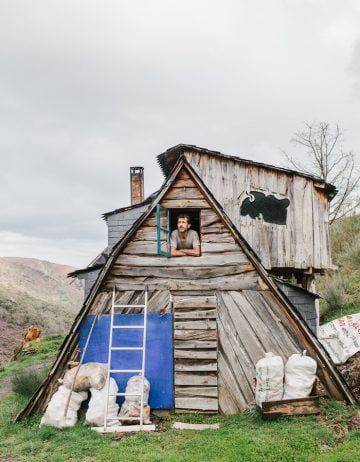
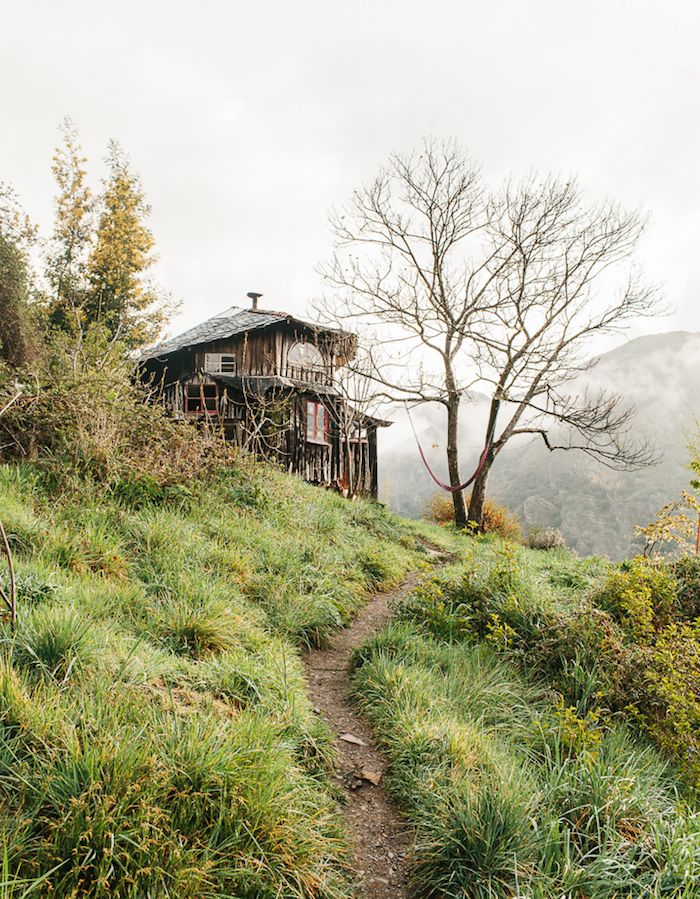
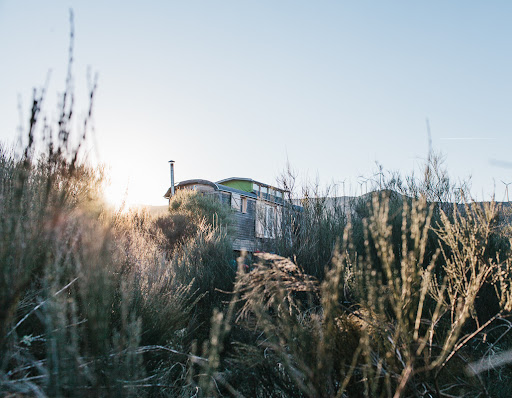
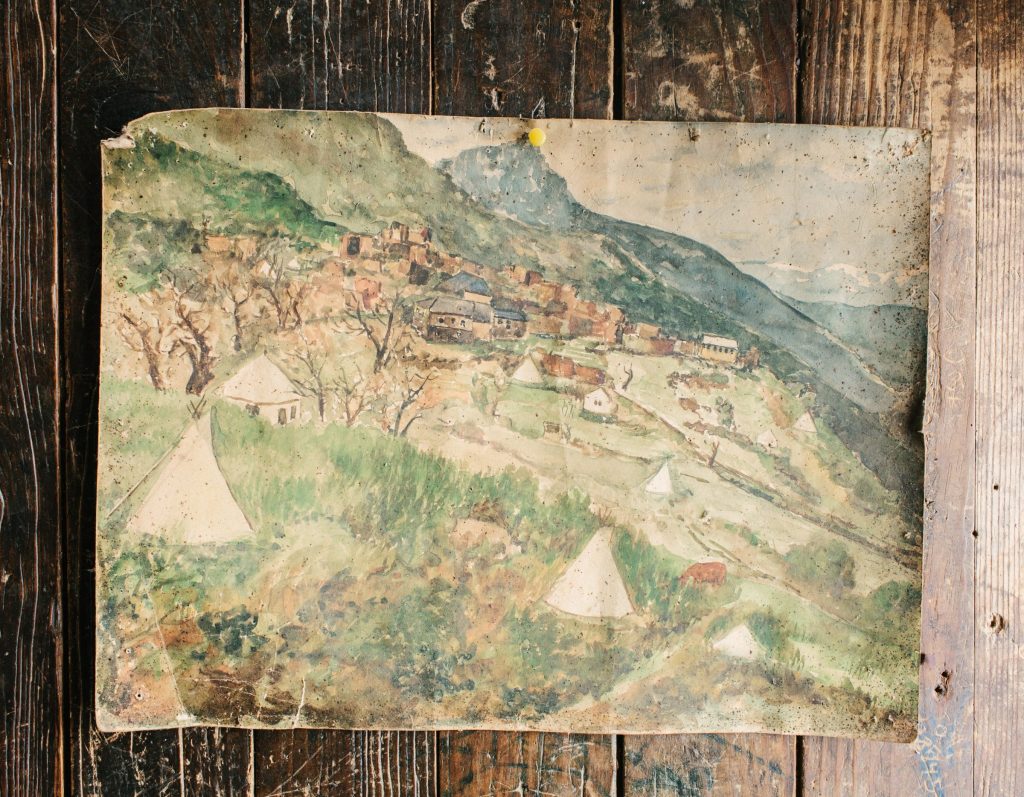
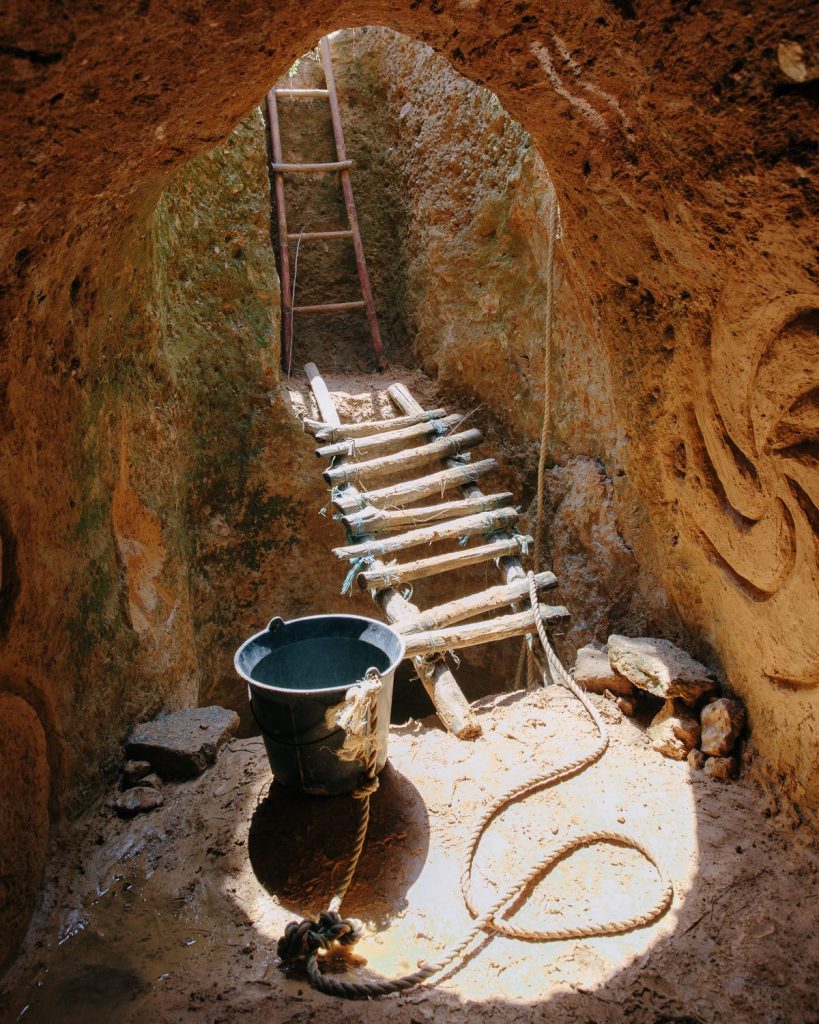
One such project took Faingnaert, accompanied by his friend, to Matavenero, an isolated eco-village in the mountains of Spain for four days.
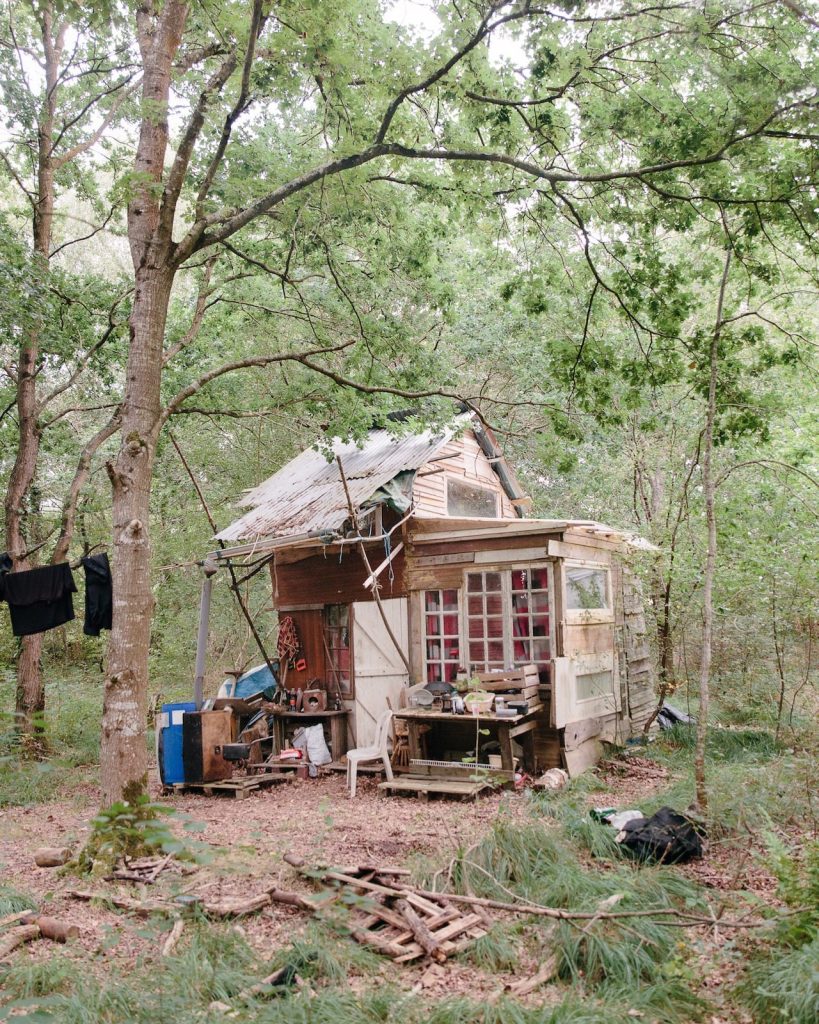
During this period, he quickly became captivated by the ZAD way of life. The ZAD meaning ‘Zone to Defend’ was led by a mix of environmental activists and
locals, which was developed in opposition to the construction of an international airport that would wipe out the wildlife and villages of the area and began an interest in different types of communities.
Due to other commitments, it took him eighteen months to return to this community, enabling him to plan and stay longer. Initially, Faingnaert felt the community were not comfortable with his role as a journalist, stating: “I knew I was welcome as a person, but not as a photographer,” he says. “Numerous
‘no camera’ signs around the zone made this clear.” (Wright, 2018)
Abandoning their old lifestyle the community at Matavenero began in 1989. These individuals were a mix of strong independently- minded people, who wanted to live simply in harmony with nature. They lived according to their beliefs; self-sufficient and ecological, in harmony with their environment and respect for each other at the core (World Photography Organisation, 2020).